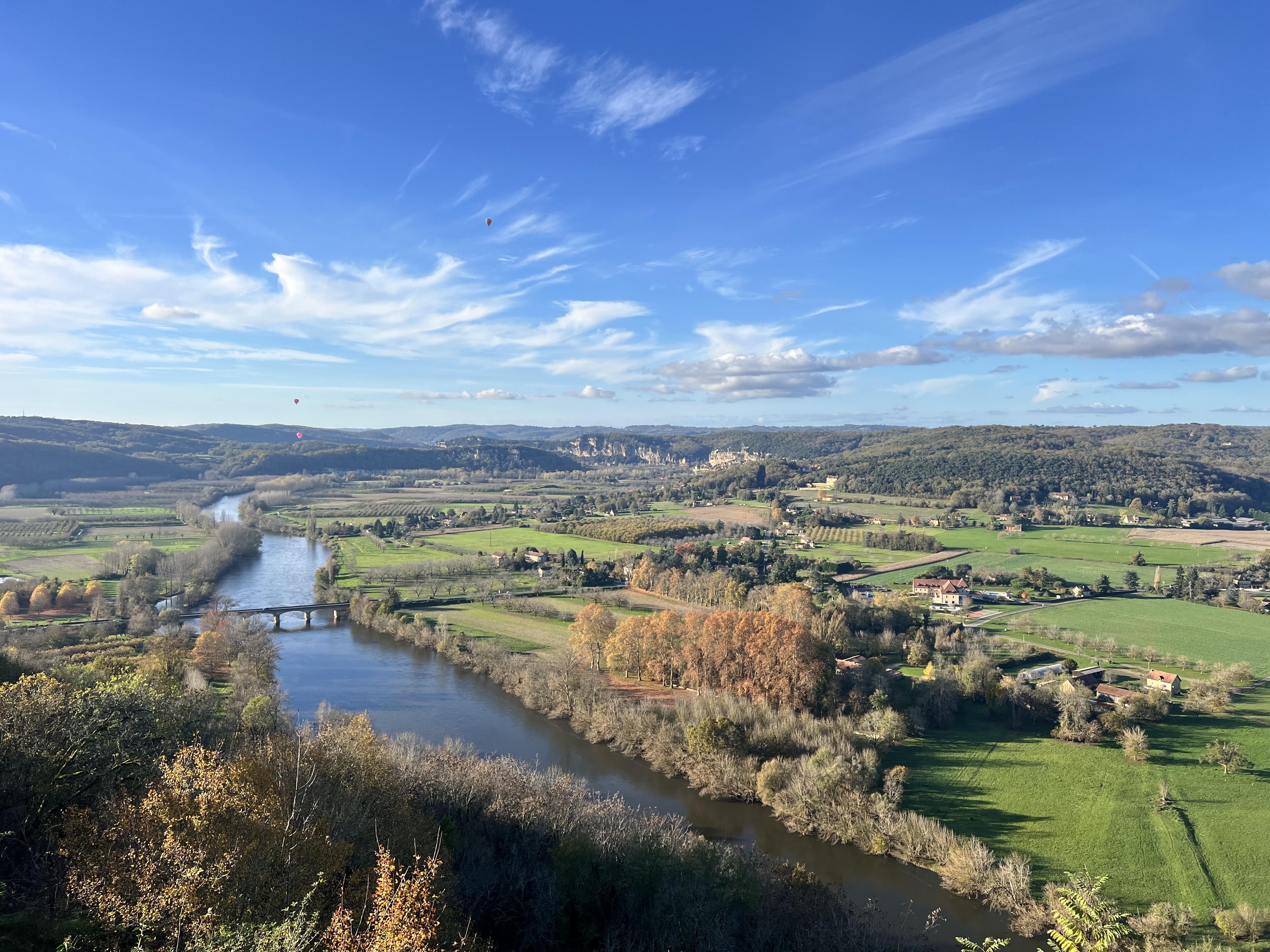
Viewing a House in Dordogne in Autumn
Viewing a House in Dordogne in Autumn: Rain, Light… and Reality
Viewing a house in Dordogne in autumn can reveal details that are less obvious during summer: the true amount of natural light, thermal comfort, rainwater drainage, access to the property and everyday life outside the tourist season.
In summer, viewing a house in Dordogne can feel a little like stepping into a postcard.
Sunlight pours through the windows.
The garden is in bloom.
The terrace already seems to be waiting for long lunches and evening drinks.
And somewhere in the distance, you can almost hear the cicadas joining the negotiation.
Everything looks perfect.
Well… until autumn arrives.
The days become shorter, temperatures begin to fall and the rain sometimes decides to appear at precisely the same time as your property viewing.
On paper, it may not sound like the most attractive season to discover a house.
And yet…
It is often one of the most informative.
Why view a house in Dordogne during autumn?
An autumn property viewing shows how a house performs in conditions that are closer to everyday life: reduced daylight, cooler temperatures and, quite possibly, rain.
When people imagine buying a house in Dordogne, they often picture long summer evenings, meals in the garden and weekends spent entertaining friends.
Strangely, they are less likely to imagine a Tuesday in November at 6 pm.
It is already dark.
Their shoes are wet.
And they are asking themselves one very simple question:
“Would I genuinely enjoy living here every day?”
Because a house is not only a place to enjoy during summer.
It also needs to feel comfortable when it rains, when the temperature drops and when natural light becomes a little less generous.
Autumn removes some of the scenery.
And sometimes, that is exactly what you need to see the property more clearly.
How can you assess the natural light?
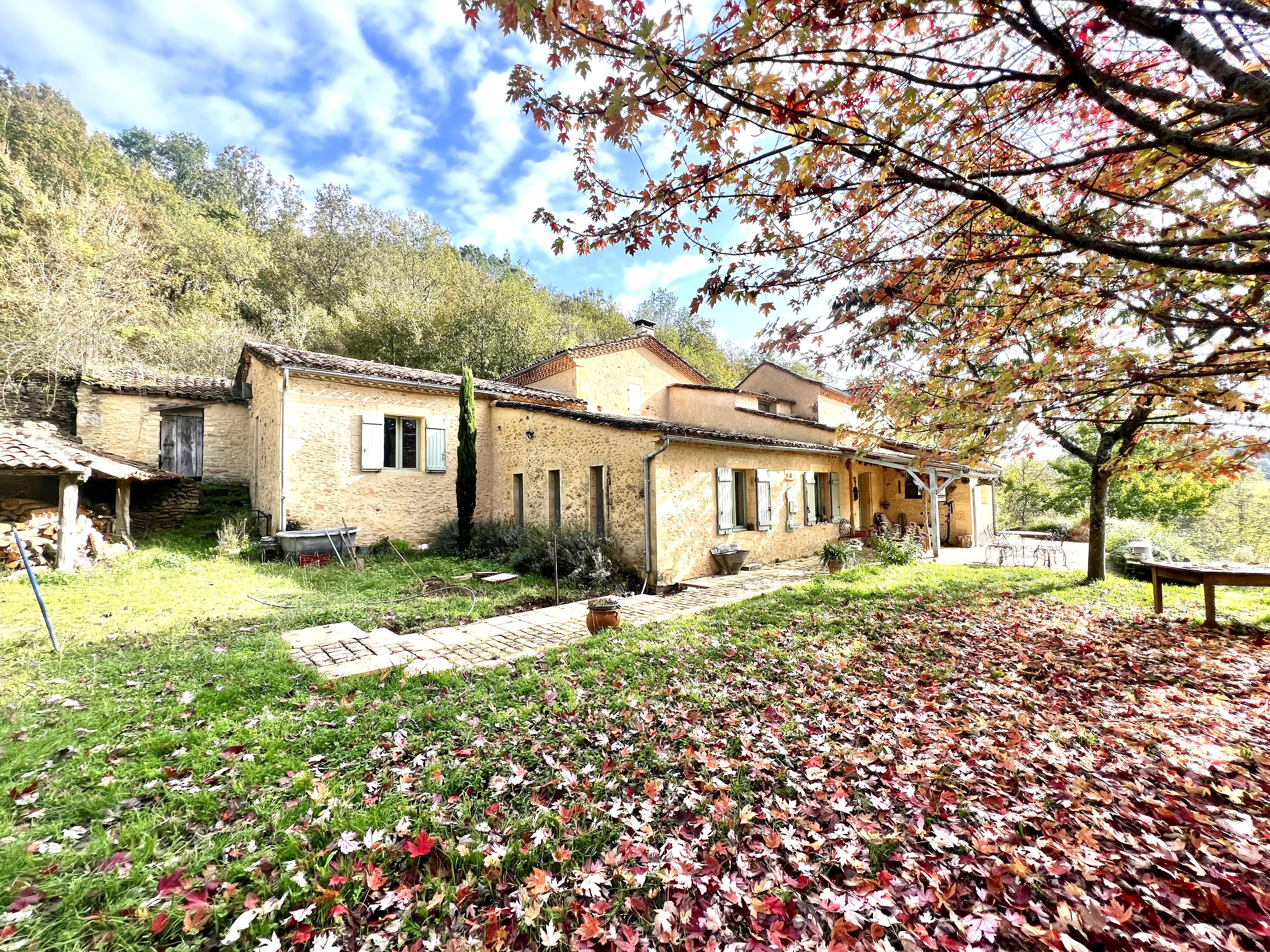
To evaluate natural light, check the orientation of the rooms, the size of the windows and any trees, buildings or landscape features that may block the sunlight.
In July, almost every house appears bright.
Even a north-facing room can make a good impression at 3 pm when the windows are open and the sun is shining.
In autumn, the exercise becomes slightly more serious.
The sun is lower.
The days are shorter.
Trees, neighbouring buildings and the shape of the land may have a greater effect on the light inside the property.
During the viewing, look at:
the orientation of the living room,
the size and position of the windows,
the light inside the bedrooms,
nearby trees or buildings,
the general atmosphere on a cloudy day.
The real question is not simply:
“Is this house bright today?”
It is:
“Would I enjoy spending an entire winter in this room?”
Admittedly, that is slightly less romantic than imagining where to put the swimming pool.
But probably more useful.
What can rain reveal about a property?
Viewing a house after rainfall can help you observe the gutters, rainwater drainage, condition of the access and areas where water may collect around the property.
Rain has a rather poor reputation during property viewings.
It makes your shoes dirty.
It complicates the photographs.
And it can turn a peaceful walk around the garden into a surprisingly energetic activity.
However, rain can also provide useful information.
How does water drain away from the house?
Do the gutters appear to be working correctly?
Are there areas where water collects?
Is the driveway still easy to use?
Can you notice any persistent smells, condensation or marks inside?
A mark on a wall or a little condensation is not enough to diagnose a serious problem.
Fortunately.
Otherwise, a few drops of rain would instantly turn every visitor into a building surveyor.
These signs should simply encourage you to ask questions and, when necessary, seek advice from a qualified professional.
How can you assess the heating and thermal comfort?
The French energy performance certificate, known as the DPE, provides important information. You should also observe the temperature of each room, the heating system, the windows and any noticeable draughts.
During a summer viewing, the heating system tends to be largely ignored.
You know it exists.
You may briefly notice a boiler, a wood-burning stove or a few radiators.
Then you go back outside to look at the garden.
In autumn, heating becomes a little more relevant.
Is the house already being heated?
Does the temperature feel consistent between rooms?
Do some parts of the property feel more difficult to heat?
Can you feel a draught near the windows?
For certain houses with an energy rating of E, F or G, the seller must also provide an energy audit. This document presents possible renovation scenarios and helps buyers understand the potential work involved. Current requirements are available on the official French government website.
Because reading a letter on a certificate and living in the house in January…
Are not always quite the same thing.
What should you inspect outside?
Pay attention to the slope of the land, rainwater drainage, shaded areas, driveway condition and the amount of maintenance the garden may require.
In spring, the garden begins to bloom.
In summer, it makes you dream.
In autumn, it starts explaining how it really works.
The leaves fall.
Shaded areas become more obvious.
The slope of the land is easier to see.
And that magnificent wooded garden gently reminds you that someone will occasionally need to collect the leaves.
Possibly quite a lot of leaves.
Around Bergerac and throughout rural Dordogne, properties may include large gardens, private driveways, barns or other outbuildings.
These features can be a genuine pleasure.
But only if they match the time, energy and budget you want to devote to them.
Everyone dreams of a large garden.
Until it is time to maintain the large garden.
Why should you explore the area outside the tourist season?
Visiting during autumn allows you to see how the town or village functions throughout the year, including local shops, services, schools, traffic and journey times.
During summer, many Dordogne villages have a particularly lively atmosphere.
Café terraces are open.
Markets attract visitors.
The streets feel busy.
Then autumn arrives.
And with it comes a different version of everyday life.
Whether you are considering Bergerac, Creysse, Mouleydier, Lalinde, Monbazillac or a more rural village, you are never choosing only a house.
You are also choosing:
the distance to the nearest shops,
your regular journeys,
access to schools and services,
the surrounding environment,
a pace of life,
and sometimes a completely new daily routine.
A beautiful property can be in the wrong location for your plans.
Meanwhile, a house that does not create an immediate emotional reaction may become the obvious choice because of its surroundings.
Property likes to make things complicated.
Otherwise, it would all be far too easy.
Which documents should you check before buying?
Before buying a house in Dordogne, review the technical diagnostic report, the DPE, any required energy audit and the official information concerning risks associated with the property.
France has a formal set of reports known as the dossier de diagnostic technique, or DDT. The exact documents included depend on the property.
The official Géorisques website can also be used to research risks associated with an address or land parcel. When a property is affected, the risk report must be provided to the prospective buyer from the first viewing.
This is probably not the most exciting part of buying a French property.
Nobody returns home saying:
“I completely fell in love with the technical diagnostic report.”
But these documents help you make an informed decision.
And that is the point.
Is autumn a good time to view property in Dordogne?
Yes. Autumn is an excellent time to assess natural light, heating, drainage, access and the atmosphere of the surrounding area outside the summer season.
A house that still feels welcoming under a grey sky, with fewer hours of daylight and a less spectacular garden, has already passed an important test.
An autumn viewing is not about searching for problems everywhere.
It is about discovering the property in a more practical, honest and everyday setting.
And ultimately, a house that feels right even when the weather is not perfect…
May be the real dream home.
Are you planning to buy a house in Bergerac or elsewhere in Dordogne? I can help you compare properties, understand the different locations and ask the right questions during your viewings. I provide support in both French and English, whatever the weather.
Frequently Asked Questions
What is the best season to view a house in Dordogne?
Each season reveals different aspects of a property. Autumn is particularly useful for assessing natural light, heating, drainage, garden maintenance and access after rainfall.
Can I view a house in France when it is raining?
Yes. Rain can help you observe how water drains around the property, whether the gutters are working and whether the garden, driveway and access remain practical.
What should I check when buying an old house in Dordogne?
Check the general condition of the building, roof, heating, windows, drainage, sanitation system, outbuildings and mandatory diagnostic reports. Seek professional advice if you have concerns about the structure or renovation work.
What is a DPE in France?
The DPE is the French energy performance certificate. It provides information about a property’s estimated energy consumption and greenhouse gas emissions.
Where should I buy property near Bergerac?
The right location depends on your lifestyle. Bergerac offers convenient access to shops and services, while towns and villages such as Creysse, Mouleydier, Lalinde and Monbazillac provide different settings. Always compare everyday journeys, services and surroundings before deciding.
Other article :
Why live in the Dordogne