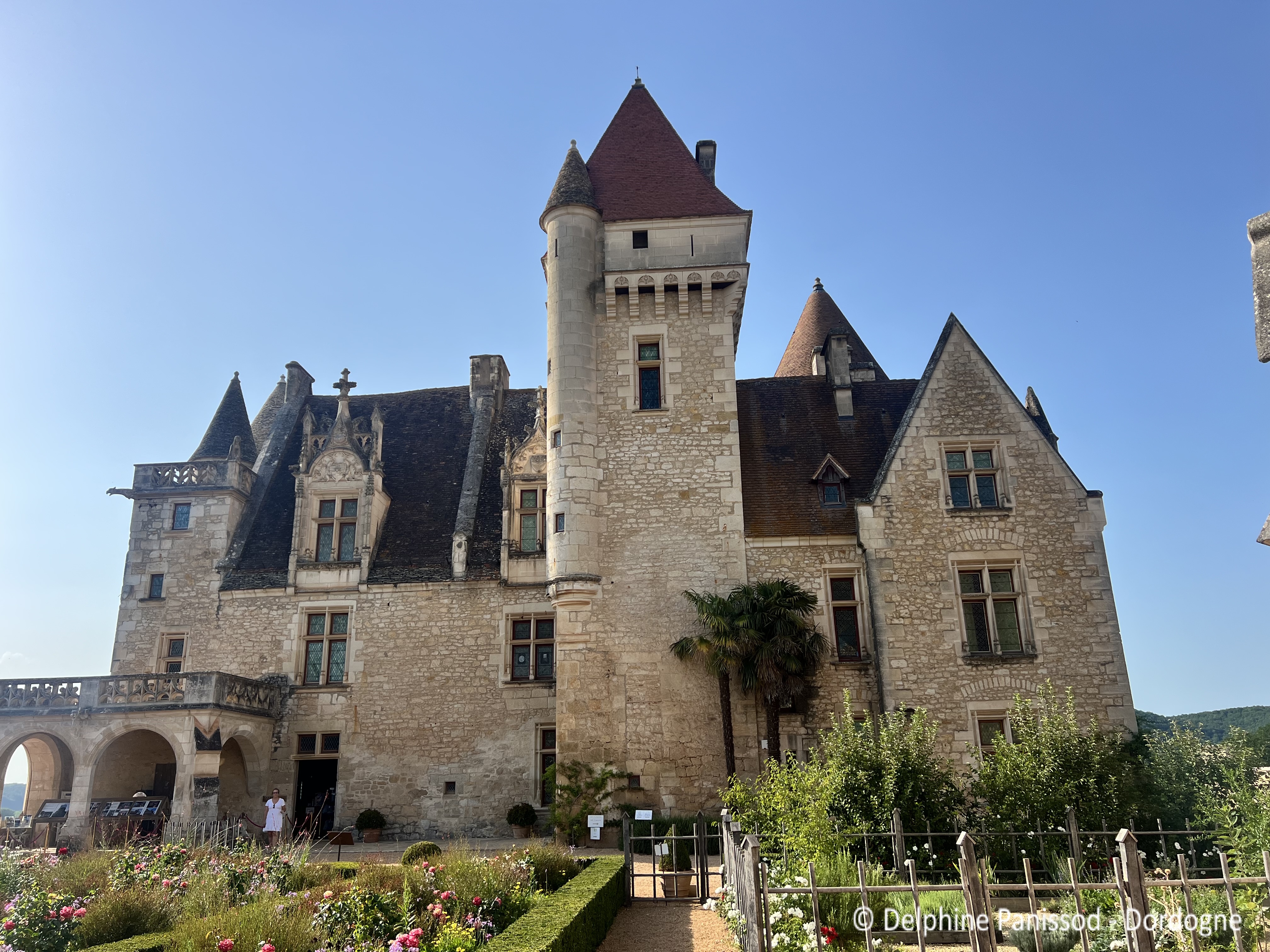
Château des Milandes: In the Footsteps of Joséphine Baker in the Heart of the Dordogne
Some places in the Dordogne are worth visiting for their architecture, others for their history, their gardens or simply for the beauty of the surrounding landscape.
At the Château des Milandes, you get a little bit of everything.
I visited yesterday and, once again, I was captivated by this elegant château, its extraordinary history and its beautiful grounds. It is somewhere I would happily recommend to anyone discovering the Dordogne, but also to those of us who live here and think we already know our region well.
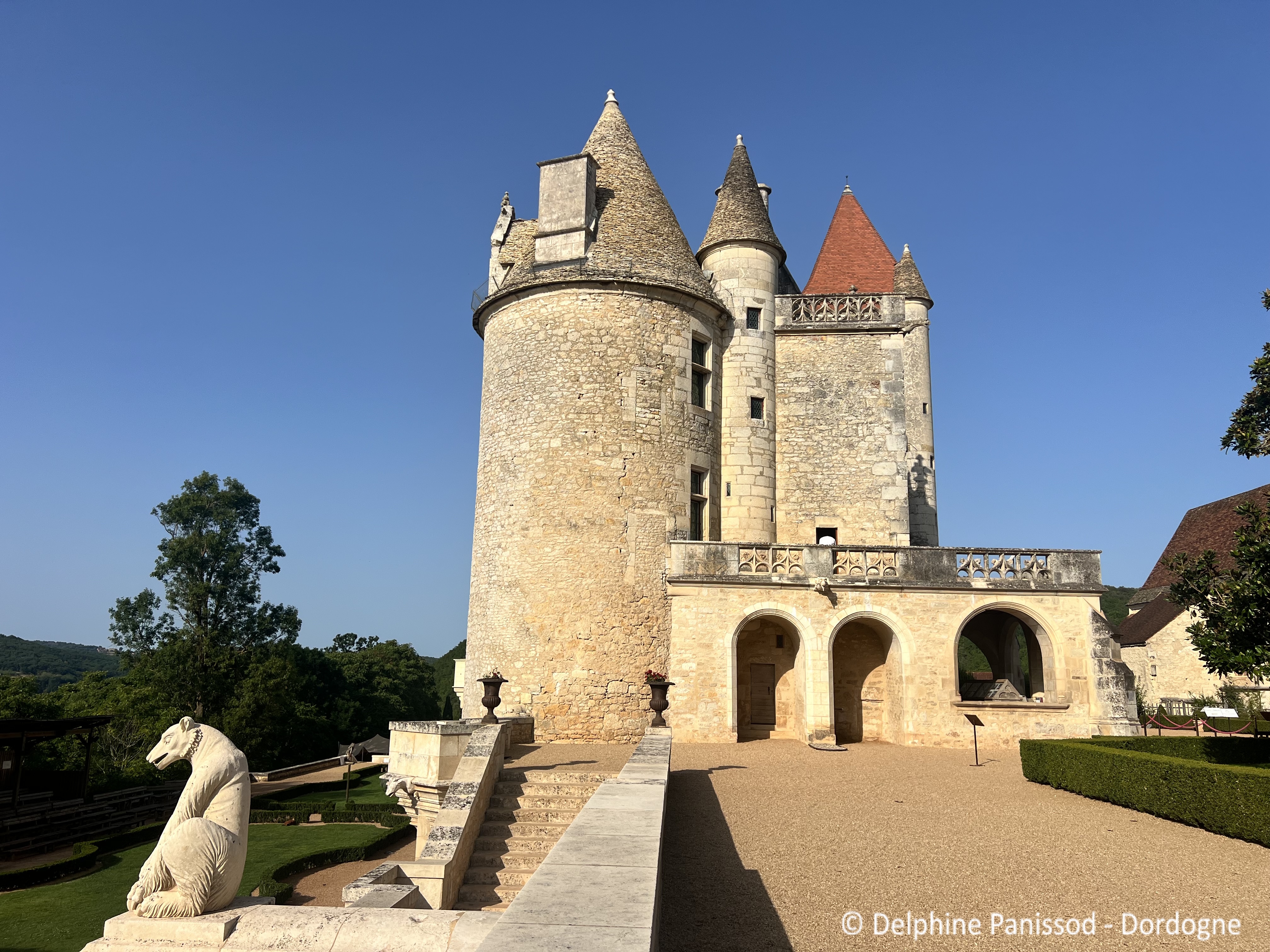
Welcome in Dordogne – © Delphine Panissod
A Château in One of the Dordogne's Most Beautiful Valleys
Located in Castelnaud-la-Chapelle, around 16 kilometres south of Sarlat-la-Canéda, the Château des Milandes enjoys a privileged position overlooking the Dordogne Valley.
We are right in the heart of the Périgord Noir, an exceptional part of the Dordogne where some of the department's most beautiful villages, castles and landscapes can be found.
This is one of the things I love about this part of the Dordogne: within just a few kilometres, you can go from a château to a medieval village, follow a road alongside the river and suddenly find yourself surrounded by wooded countryside, with spectacular viewpoints that almost force you to stop.
The château itself was built in 1489 at the request of Claude de Cardaillac, wife of François de Caumont, Lord of Castelnaud. The property remained in the Caumont family until the French Revolution. Its Renaissance architecture also retains some beautiful Gothic features.
But if Les Milandes is known throughout the world today, it is of course because of one extraordinary woman: Joséphine Baker.
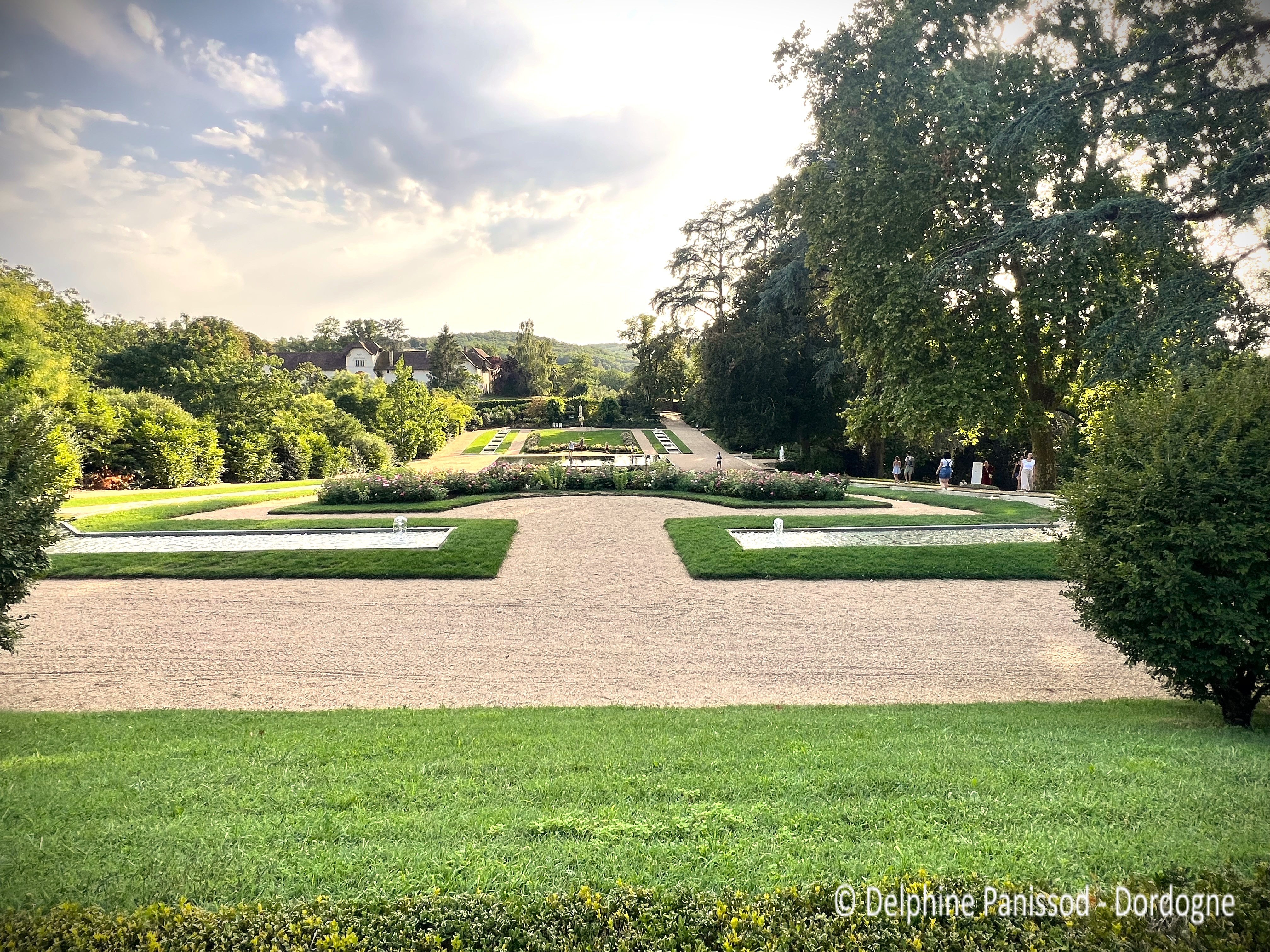
At the top of the gardens - © Delphine Panissod
Stepping into the World of Joséphine Baker
The interior tour reveals another side of the woman we often remember primarily as an entertainer, a member of the French Resistance and a campaigner against racism.
Joséphine Baker married Jo Bouillon in the chapel at Les Milandes in 1947 and dreamed of creating her famous "Village du Monde" here. Her adopted children, from different backgrounds and countries, became known as her "Rainbow Tribe".
As you move through the rooms, you discover different chapters of her life, personal documents and memorabilia, as well as some of her remarkable stage costumes.
Gradually, you move beyond the international icon and discover the woman, the mother and the owner who was deeply attached to Les Milandes.
Unfortunately, I can't illustrate this part of my visit with my own photographs: photography is not permitted inside the château, particularly because the collections contain previously unpublished photographs and documents protected by copyright.
Perhaps that's not such a bad thing. Some surprises should be saved for the visit!
The interior can be explored with a free audio guide, available in French, English, Dutch, German, Spanish, Italian and Portuguese, making Les Milandes particularly accessible to international visitors.
My Unexpected Favourite: The Chapel
Interestingly, one of the places that fascinated me most during this visit wasn't actually inside the château.
It was the chapel.
And its story is quite incredible.
Built in the early 16th century by François de Caumont, it was originally a richly decorated funerary chapel, with wall paintings created with the involvement of Italian artists.
Then its destiny became considerably less glamorous.
Following the French Revolution, the estate was sold as national property and divided up. The chapel became an agricultural building, used both as a hayloft and a stable. Its paintings were later covered with plaster towards the end of the 19th century.
And then the story takes a turn that will certainly resonate with anyone working in real estate!
In 1956, a change to the cadastral records effectively caused the chapel's owner to disappear: no owner was officially attributed to it, leaving the chapel legally classified as a property without an owner.
Even Joséphine Baker, despite being made aware of the problem, was unable to have the chapel properly reintegrated into the estate.
One small administrative anomaly with consequences lasting… decades!
It wasn't until 2016 that the current owners, the de Labarre family, finally managed to acquire the chapel and begin its restoration.
And that's when the building began revealing some extraordinary secrets.
During the restoration, old doorways and two fireplaces reappeared, together with the original 16th-century wall paintings. Then, in December 2017, a crypt containing the remains of the chapel's builders was discovered.
Exterior restoration began in 2018, interior work followed in 2021, and the restored chapel finally opened to visitors at Easter 2023.
More recently, archaeological investigations have studied the burial of a woman discovered near the foundations of the 16th-century altar, now known as the "Lady of the Apse".
I found this part of the visit absolutely fascinating.
It shows how a building can survive for centuries, completely change its purpose, almost disappear from history… and then reveal its story again through careful restoration.
Gardens Made for Wandering
After the interiors, the atmosphere changes completely.
The gardens of Les Milandes are magnificent and beautifully maintained. They deserve to be explored slowly rather than simply crossed on the way to the exit.
Their history is fascinating too.
Between 1900 and 1908, the château's then owner, Charles Auguste Claverie, commissioned Jules Vacherot, landscape architect and head gardener for the City of Paris, to redesign the grounds. He created a combination of formal French-inspired gardens and a landscaped park.
A major restoration was undertaken in 2016 under landscape architect Françoise Phiquepal, with more than 10,000 plants introduced to recreate the spirit of the original gardens.
The park has been listed as a Historic Monument since 2009 and has held the prestigious Jardin Remarquable – Remarkable Garden label since 2018.
And then there is the view.
From several points around the estate, the landscape opens onto the Dordogne Valley.
It's difficult to imagine a more quintessentially Périgord setting.
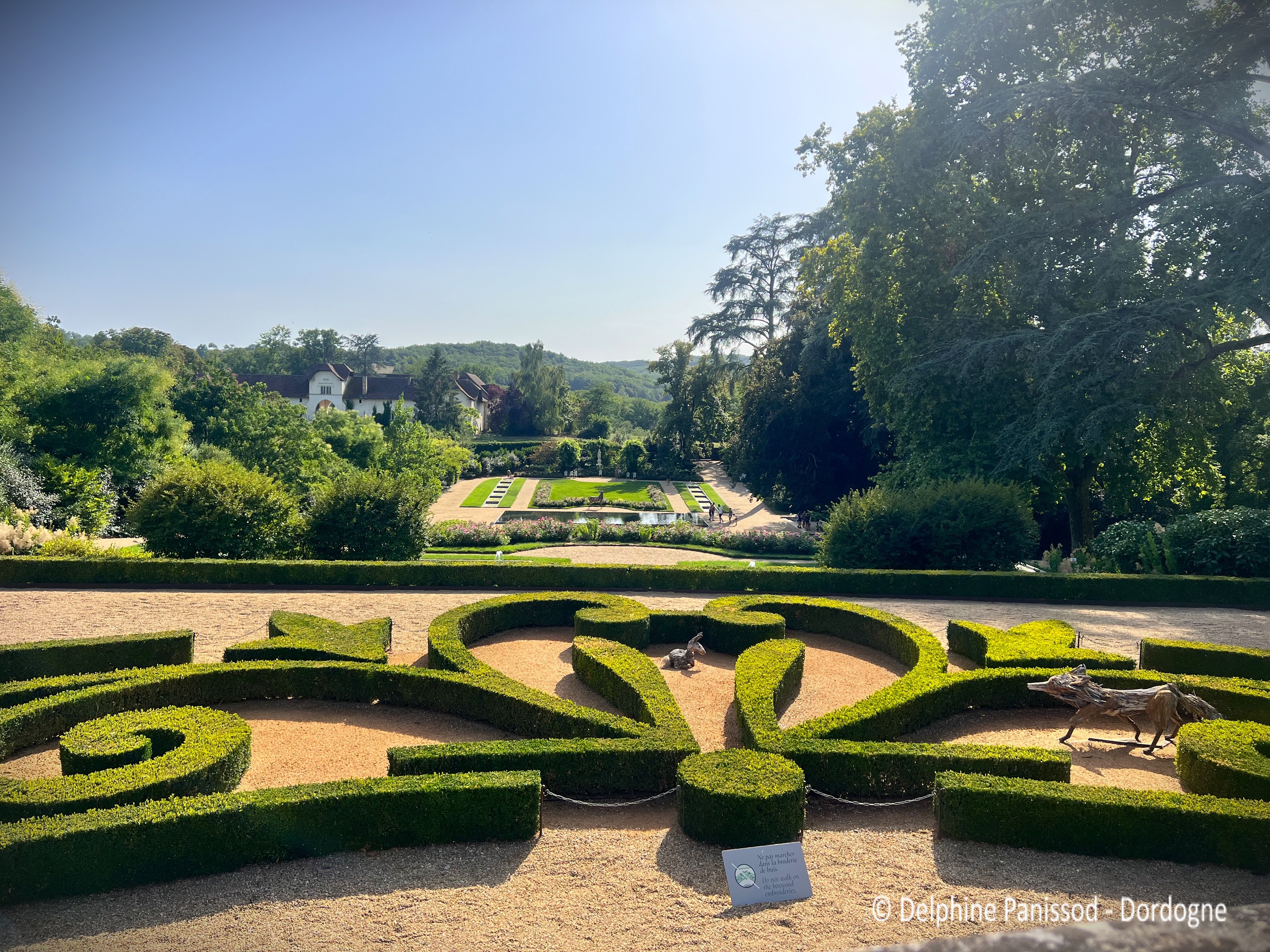
Try to resist ! - © Delphine Panissod
Birds of Prey, Exotic Birds… and Surprising Driftwood Sculptures
Les Milandes is also a particularly enjoyable place to visit with children because the estate offers much more than history and architecture.
Around 60 birds of prey live on the estate, with several demonstrations held each day during the season. Around ten diurnal and nocturnal birds take part in these educational displays in front of the Renaissance façade, with the Dordogne Valley providing a spectacular backdrop.
You will also encounter exotic birds and a few goats around the grounds, adding yet another dimension to the visit.
And then, as you wander through the gardens, you begin to discover some impressive driftwood sculptures.
I was curious to find out who created them: they are the work of artist Franck Espagnet. The château describes them as ephemeral artworks incorporated into its Remarkable Garden, creating an unusual dialogue between sculpture and nature.
They bring an unexpected contemporary touch to this historic setting.
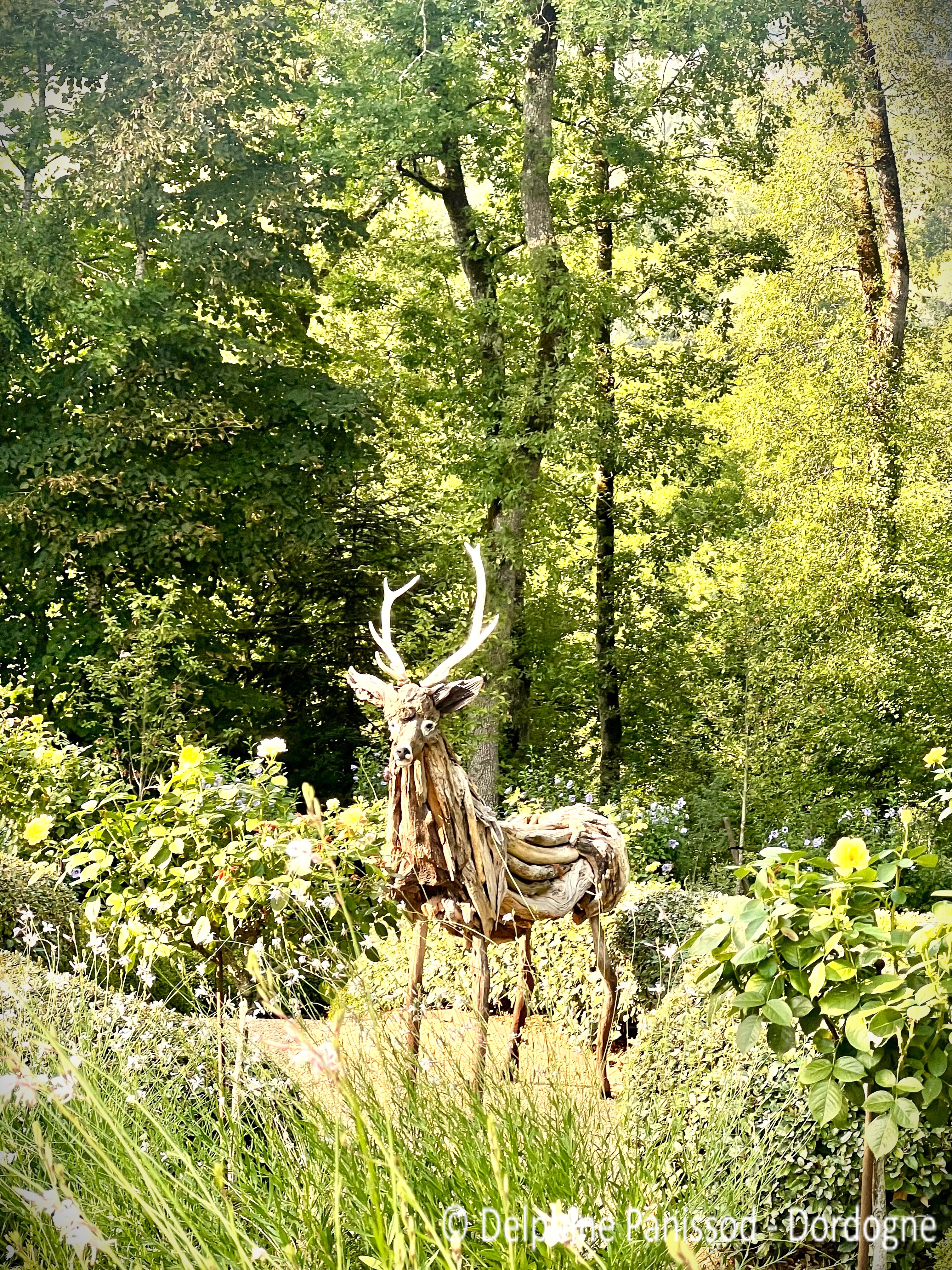
Driftwood structures - © Delphine Panissod
And Don't Forget to Look Up!
I also particularly liked the château's gargoyles.
Interestingly, they are not all as old as you might imagine.
When Charles Auguste Claverie undertook the major restoration of Les Milandes between 1900 and 1914, the château was embellished with new towers, romantic balconies, sculptures, gargoyles and fantastical figures.
This is exactly the kind of detail I love photographing in the Dordogne.
You arrive to admire a château as a whole, but sometimes it's a sculpture, a window, a gargoyle or a centuries-old stone that ultimately catches your eye.
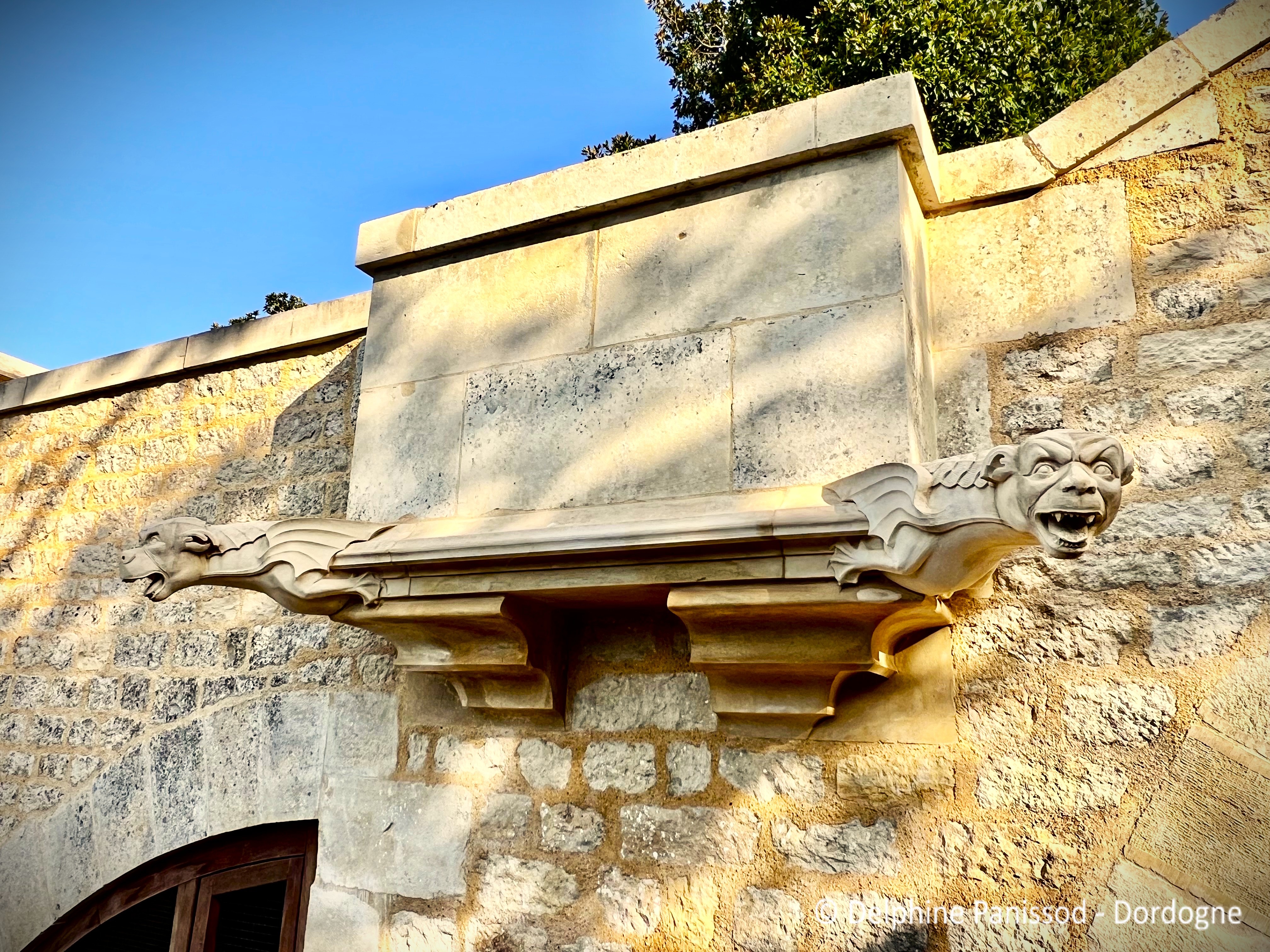
Gargoyles ! - © Delphine Panissod
A Full Family Day Out at Château des Milandes
Perhaps this is what really distinguishes Les Milandes from many other châteaux in the Dordogne: you can easily spend a large part of the day here.
There is the château and the extraordinary story of Joséphine Baker, the restored chapel, the gardens, the birds of prey, exotic birds and animals, sculptures and wonderful views across the valley.
And when it's time for a break, there are several places to stop for something to eat or drink, including a brasserie housed in one of the château's former outbuildings, seasonal food options and a souvenir shop at the end of the interior tour.
Admission includes access to the château, gardens, chapel, birds-of-prey demonstrations, screening room and seasonal activities.
It is therefore somewhere I would happily recommend for a family day out in the Périgord Noir: a little history, plenty of heritage, beautiful gardens, animals and enough variety to keep everyone interested.
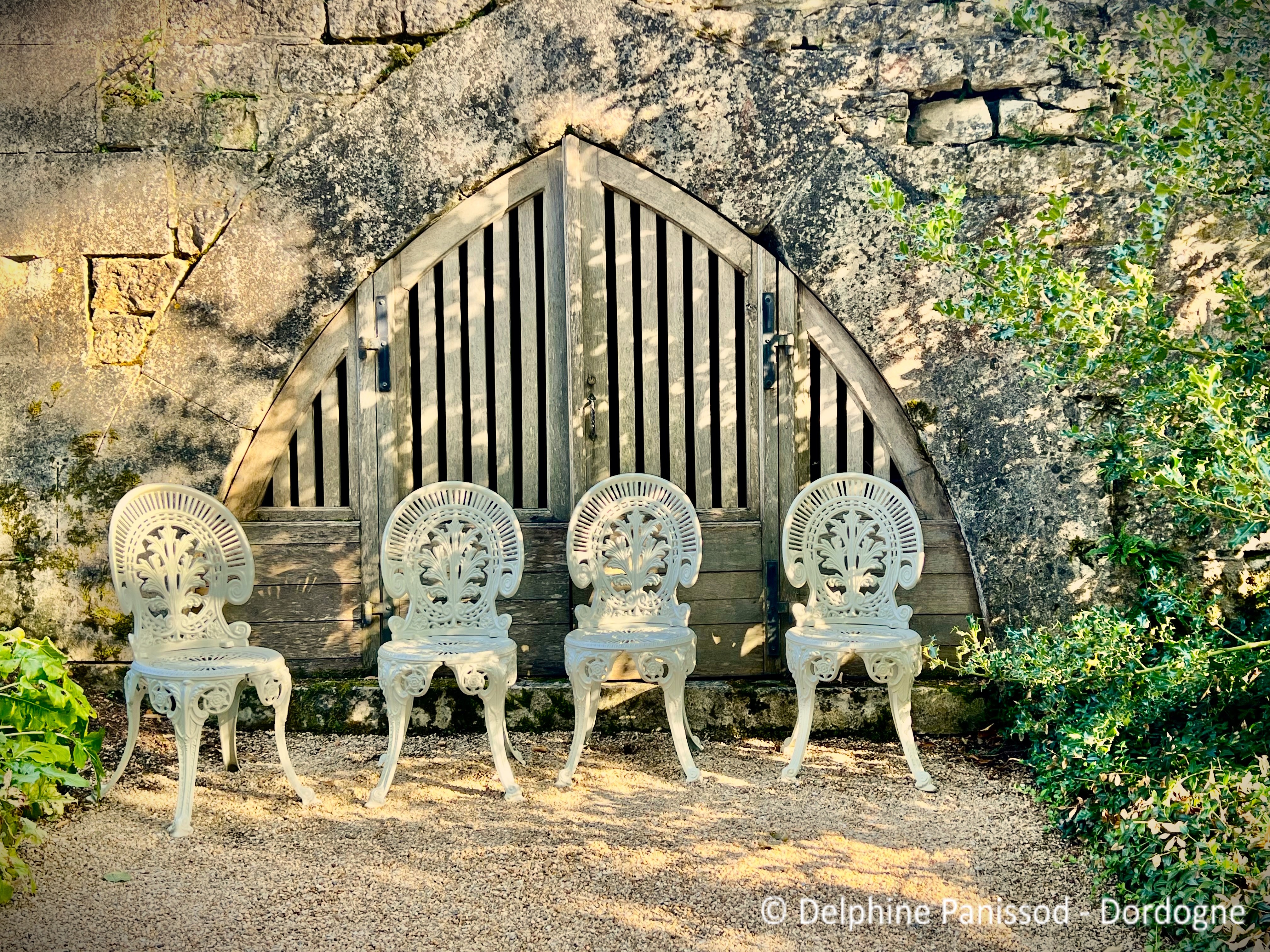
Wanna rest ? - © Delphine Panissod
Living in Dordogne Means Having All This on Your Doorstep
When I talk about property in Dordogne, naturally I love showing people beautiful homes.
But choosing to live here is never just about choosing a house.
It's also about choosing everything that surrounds it.
It's being able to wake up one morning and decide to visit the Château des Milandes, have lunch in a medieval village in the Périgord Noir, drive alongside the Dordogne River, stop to admire a view or discover another chapter of a heritage you thought you already knew.
That richness is precisely what makes this part of France so special.
Yesterday, I came home from Les Milandes with plenty of photographs of the gardens, a few gargoyles on my phone… and once again that wonderful feeling that even when you live in Dordogne, it always finds a way to surprise you.
And that is probably one of the reasons I love living here… and working here.
Delphine Panissod
eXp Real Estate Advisor – Bergerac & Dordogne